
how to prepare for a job interview
How to Prepare for a Job Interview: A Practical Checklist
Good interview preparation is not memorising dozens of answers. It is understanding what the employer needs, selecting evidence from your experience, and practising how to communicate that evidence under realistic conditions.
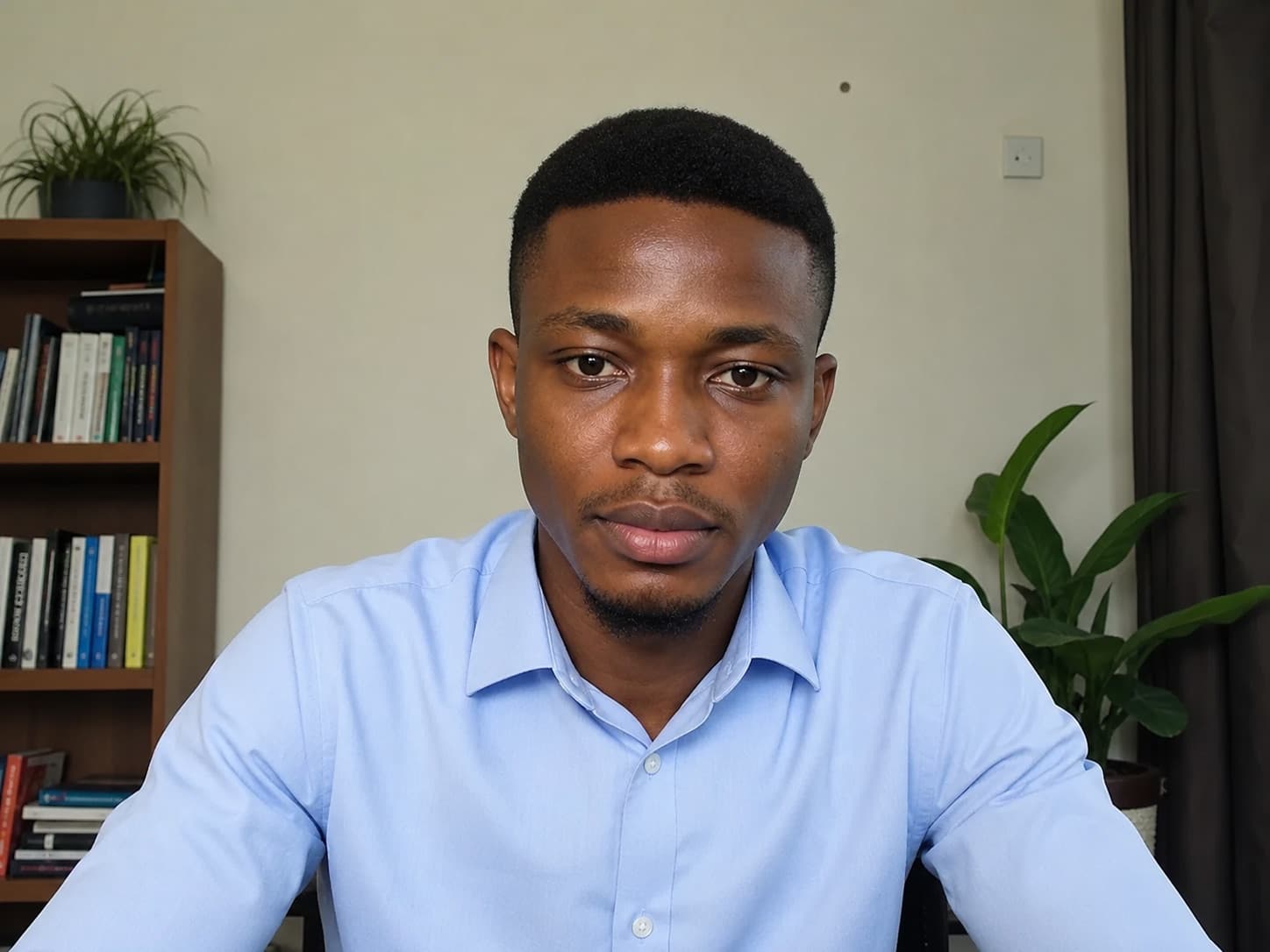
Read the job description like an interviewer
Highlight repeated responsibilities, required skills, and outcomes. Translate each important requirement into a likely question. If the advert mentions stakeholder management three times, expect to explain a difficult stakeholder situation and the result of your approach.
- What must this person deliver?
- Which skills are essential rather than optional?
- What problems is the new hire likely to inherit?
- Which claims on my CV support each requirement?
Research the organisation and role
Understand what the organisation offers, who it serves, how the team contributes, and any recent information relevant to the role. Research should improve your questions and help you explain your motivation; it should not become a speech proving that you read the website.
For smaller organisations, review the product, public communication, and job advert. For larger organisations, also understand the business unit and how the advertised role fits it.
Prepare an evidence bank
Choose five to eight experiences that demonstrate the capabilities in the job description. Include a success, a difficult problem, teamwork, conflict or disagreement, a mistake, initiative, and a result you can explain in detail.
Do not prepare only headlines
For each example, know the context, your responsibility, the decision you made, the action you personally took, the outcome, and what you would improve now.
Practise answering aloud
Silent preparation can create false confidence because speaking requires you to organise ideas in real time. Practise your introduction, two behavioural examples, your motivation, and one role-specific question aloud.
Use a timer as a guide, not a target. Most answers should be concise enough to hold attention while containing enough evidence to be credible. Practise handling follow-ups instead of preparing only the opening answer.
Prepare the interview setup
For an online interview, test your internet connection, camera position, browser permissions, audio, charging, and a backup device or connection. Put the meeting link and contact details somewhere easy to reach. For an in-person interview, confirm the location, travel time, required documents, and appropriate clothing the day before.
- Join or arrive early, but not excessively early
- Keep your CV and the job description available
- Silence unnecessary notifications
- Place the camera near eye level
- Keep water nearby
Plan thoughtful questions and a clear close
Prepare three to five questions and choose the most relevant based on what the interviewer already covers. At the end, briefly restate your interest and ask about next steps. Send a concise thank-you message where appropriate, particularly after a direct conversation with the hiring team.
Frequently asked questions
Questions about this topic
How many days should I prepare for an interview?+
Start as soon as the interview is confirmed. Even one focused day can help, but several shorter sessions allow better research, example selection, and spoken practice.
What should I bring to an interview?+
Bring copies of your CV where relevant, a notebook, identification or requested documents, the location and contact details, and a short list of questions.
What is the best way to practise?+
Practise aloud in a realistic question-and-answer format. Review whether each answer is relevant, specific, and clear, then repeat the weakest answer rather than rehearsing only your favourite examples.
Now practise the answer
Reading helps. Answering a live interviewer shows what still needs work.
Open Iris, answer out loud, handle follow-up questions, and receive feedback based on what you actually said.
Open Iris and practise